Scoliosis is a spinal condition characterized by a curvature of the spine that has become increasingly common in recent times.
It is crucial to receive timely treatment to mitigate the detrimental effects of scoliosis. The condition is typically diagnosed during growth periods, and without early treatment, it can have a profoundly negative impact on an individual’s life.
Scoliosis occurs when the spine bends either to the right or left, affecting the hip, rib cage, and shoulder blade. We have provided a detailed compilation of the causes, symptoms, and treatment methods for scoliosis, a medical condition that is more common in girls.
What is scoliosis?
Our spine can be thought of as a strong bridge that does much of the work of supporting our body weight. Our spine, which runs from our legs to our head, is made up of bones called vertebrae. These bones are held together by joints, discs, or connective tissue. The spinal cord, considered the key element of the central nervous system, is also located in this region. A healthy spine positively affects our movements and quality of life.
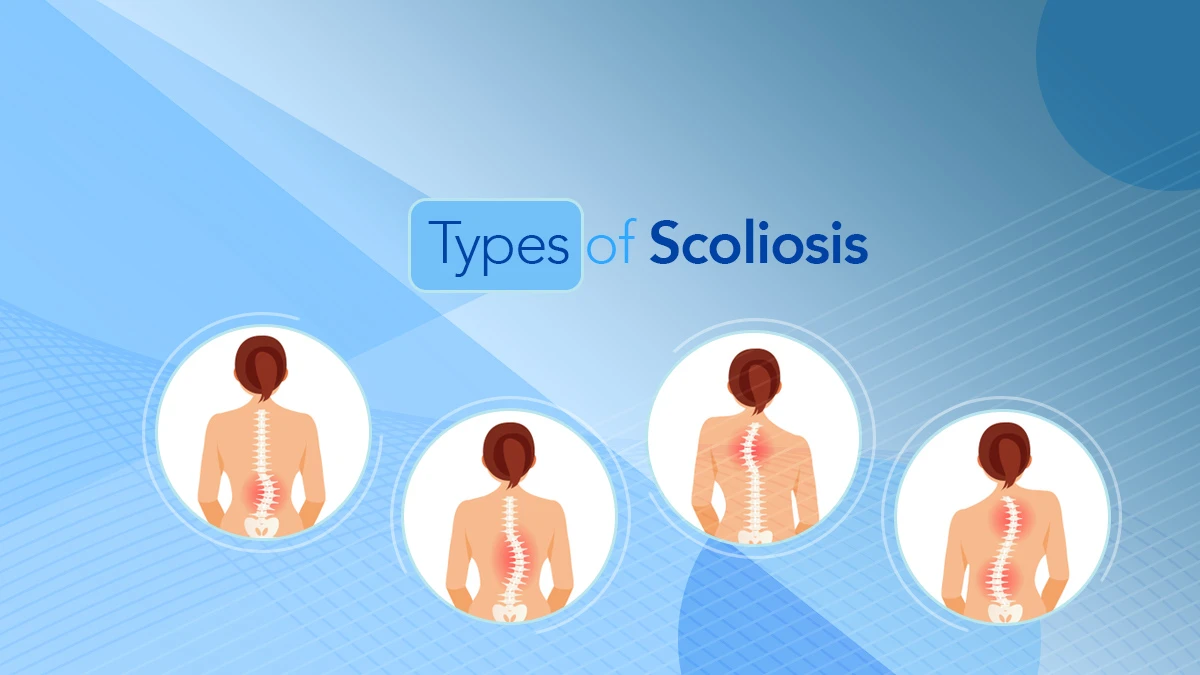
Our spine should be straight when viewed from front to back or from back to front. When viewed from the side, it has a physiological or normal curve. Curvature of the spine in both the front and back views is called scoliosis. The most common type of scoliosis is adolescent idiopathic scoliosis. In this condition, the spine is externally described as looking like the letters C or S, but we do not prefer to use these terms today.
This is usually recognized by the parents. This obvious lateral curvature of the spine begins in adolescence. Approximately 3 out of 100 adolescents worldwide have this problem. The causes of adolescent scoliosis are often difficult to pinpoint.
Scoliosis is a curve of more than 10 degrees. In a healthy spine, the vertebrae in the back extend downward in a straight line. In scoliosis, this straight line is disrupted and the vertebrae begin to shift left and right over time. In addition to the spine, structural scoliosis, which occurs when the vertebrae rotate around their axis, causes shifts in the chest, ribcage, and even the hip area.
Scoliosis, which affects posture as well as vision, becomes more severe with age. It is currently estimated that approximately 150,000 to 200,000 children in our country have scoliosis. The incidence in girls is at least 3-4 times higher than in boys, although it varies according to age and degree of curvature. If left untreated, the curve can progress too far. With early diagnosis, it is also possible to benefit from modern methods developed in the historical process.